The Science of A2 Beta-Casein Protein in Desi Cow Ghee
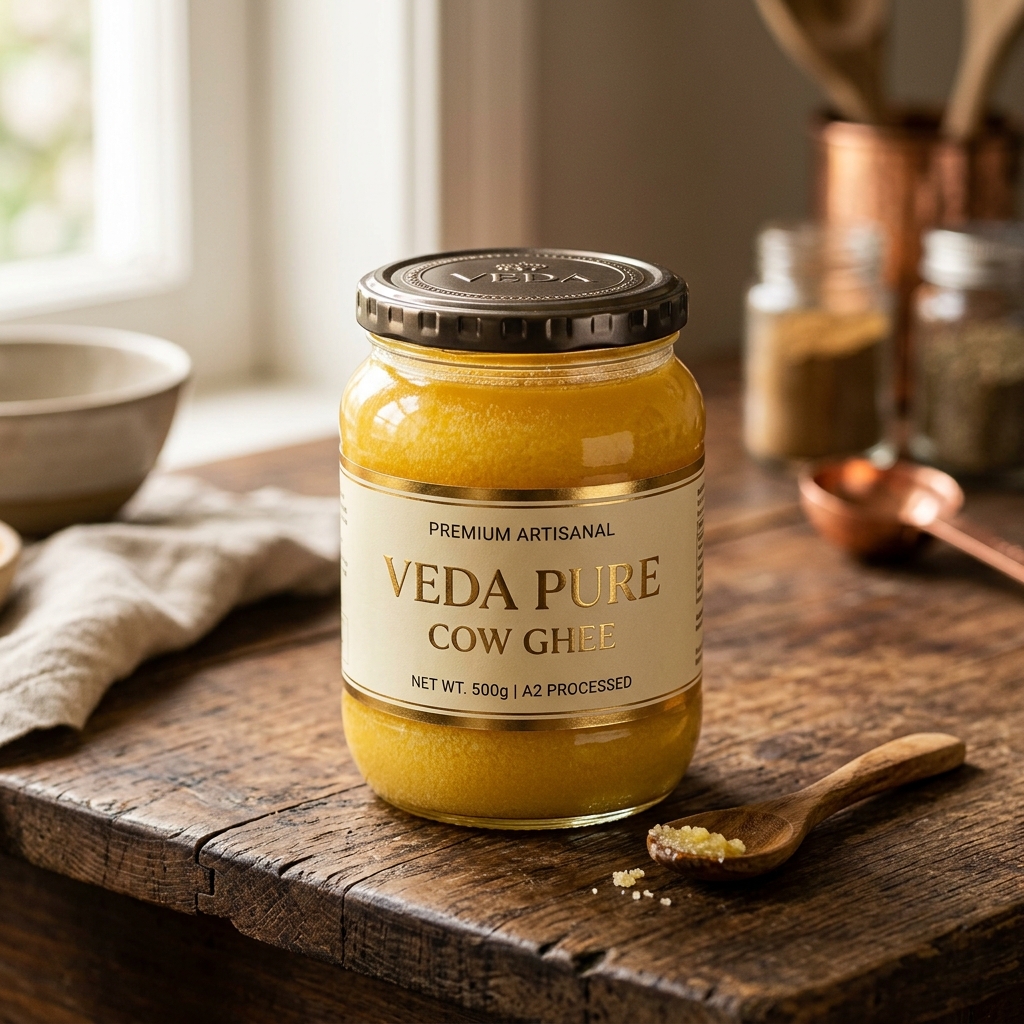
What is A2 Beta-Casein?
Milk protein consists primarily of whey and casein. The beta-casein portion comes in two main variants: A1 and A2. Historically, all cows produced milk with only the A2 beta-casein protein. However, a genetic mutation in European cattle breeds thousands of years ago led to the emergence of the A1 protein.
The Problem with A1
When the human body digests A1 beta-casein, it breaks down into a peptide called BCM-7 (beta-casomorphin-7). BCM-7 has been linked to digestive discomfort, inflammation, and autoimmune reactions in sensitive individuals. This is why many people who believe they are lactose intolerant are actually reacting to the A1 protein.
The A2 Advantage of Indigenous Cows
Indigenous Indian cow breeds, such as the *Gir, Sahiwal, and Tharparkar*, possess the original genetics and produce milk containing 100% A2 beta-casein.
When A2 milk is used to make ghee—especially through the traditional Bilona method—the resulting product is a powerhouse of nutrition:
If you struggle with dairy digestion or simply want the cleanest source of dietary fat, switching to pure A2 desi cow ghee is one of the easiest and most impactful dietary upgrades you can make.
Subscribe to Newsletter
Stay updated with traditional recipes, organic lifestyle tips, and exclusive discount opportunities on ghee.